

Published Feb 2026
ALL YOU NEED
IS KILL
70
A rare instance of CG-forward animation with soul and delight, pushing the medium forward with a decent retelling of the now classic sci-fi premise.
From:
Alinea Games
Kenichiro Akimoto
Year:
2018
2026
Genre:
Strategy, Text Based
Sci-Fi
Played:
Watched:
200+ hr
1x
Creator:
Kenichiro Akimoto
Years:
2026
Genre:
Sci-Fi
Watched:
1x
Published Feb 2025
Published Feb 2026
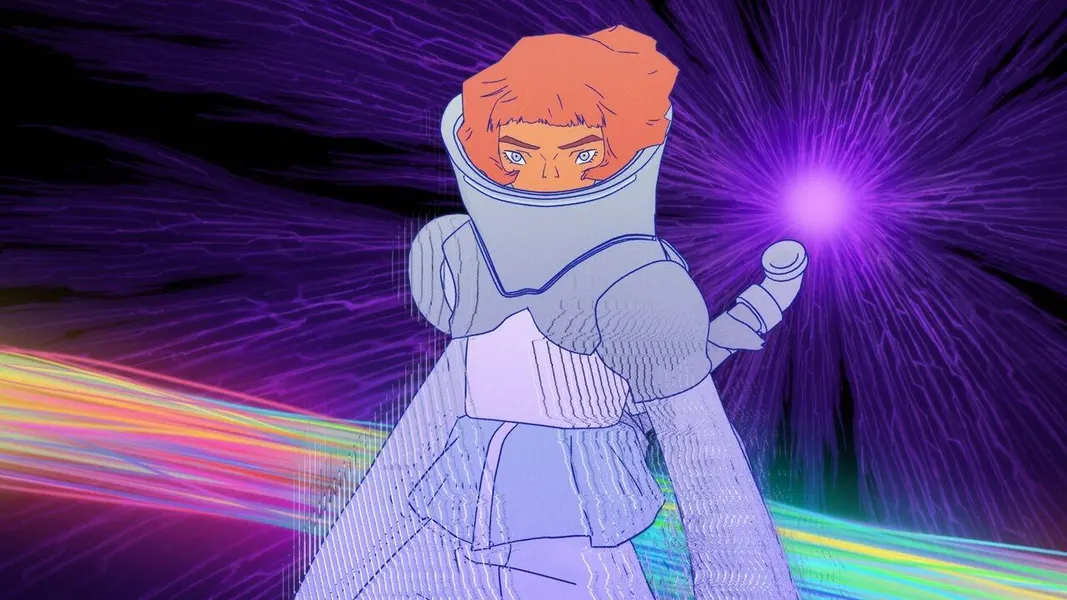
It's finally time to feel optimistic about CGI animation
I was a big fan of the 2014 Tom Cruise movie Edge of Tomorrow, which is based off the same light novel as this new anime adapatation. The die-wake-repeat motif is what makes both these movies so good, giving us that video game premise in real life and, with it, the opportunity for satisfying concept design, cool action scenes and interesting explorations into an evolving character and the psychological ramifications that comes with such an experience.
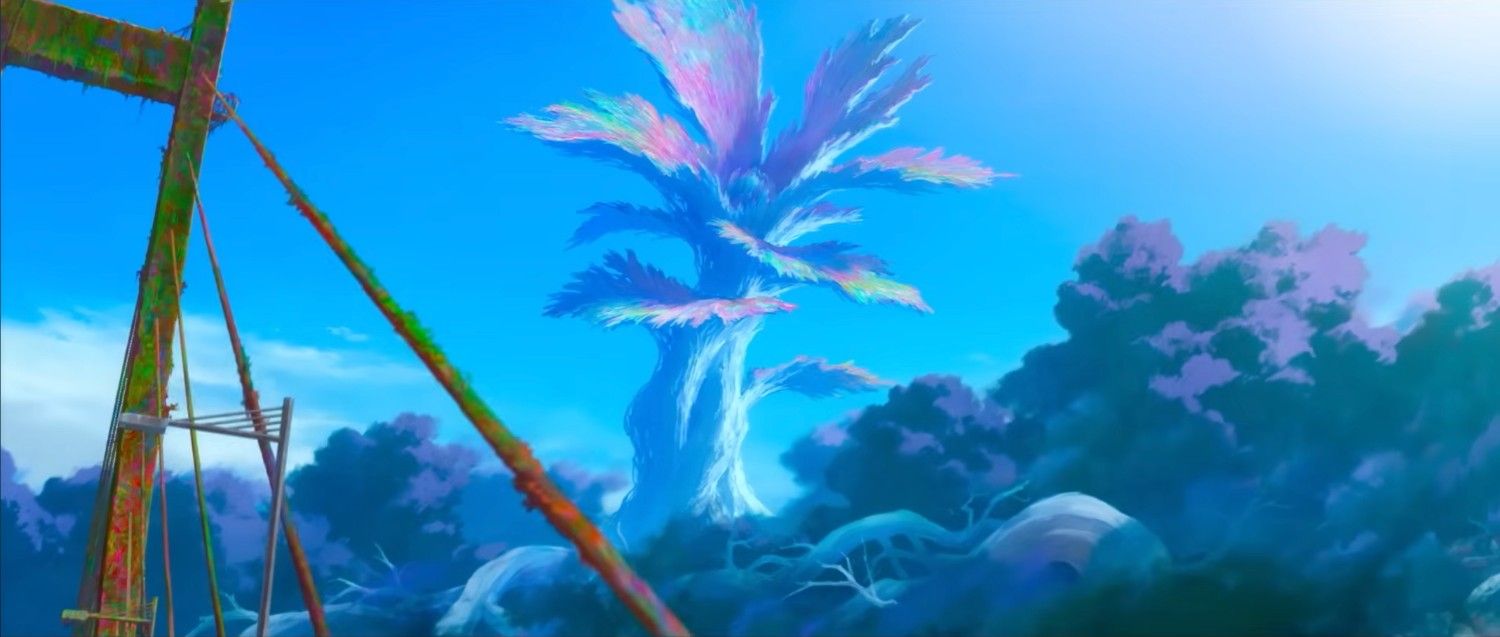
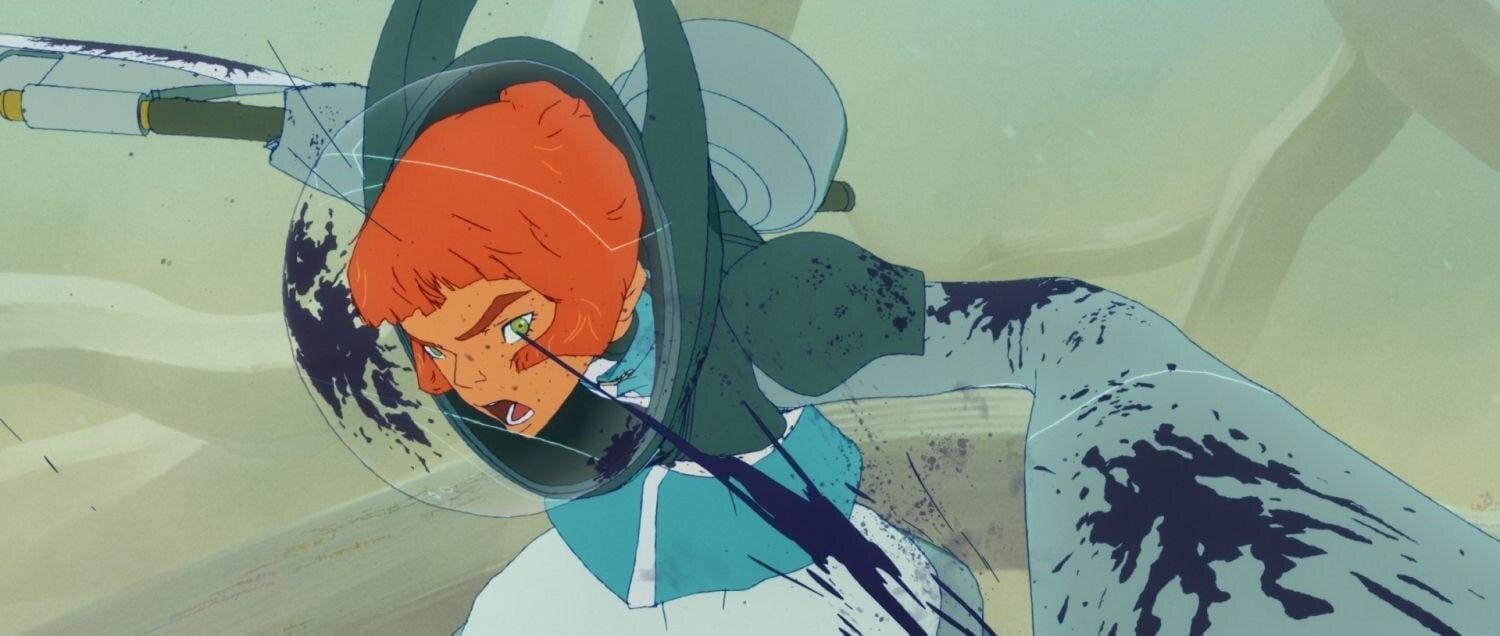
I’ll start by talking about the visuals, as it’s the biggest selling point. I was surprised to learn that despite the film’s very 2D feel, Studio 4°C’s approach was almost entirely created from a CG workflow. Impressive! They’ve definitely captured an authentic, hand-drawn aesthetic, but one that still has plenty of fluid movement and perspective-shifting action that feels natural and pleasing to view. There's also some fantastic concept design, giving off Evangelion vibes at times, and a vibrant color palette for some trippy, flora-based sci-fi designs, which I thought were an amazing direction to take the Mimics in.
Director Akimoto discusses a few of the techniques he and his team used to achieve his “limited” approach to animation. If the 3D models contain too much surface detail, your eye “sticks” to the object and the motion stops feeling snappy or stylish. Their response: strip the model down — “as few textures as possible,” leaning on color planes and linework instead, and even dropping frame rates to as low as 8 frames per second, which Akimoto describes as “satisfying” and giving a “certain flair — a touch of theatricality” to the final product. It puts more emphasis on the viewer completing the gaps in motion, and for whatever reason, that just works visually.
In my opinion, CGI has been a total disaster for animation in the last two decades. Anime feels more mass-produced and generic than ever, and has undergone a complete artistic regression. Although there have been occasional moments of CG brilliance, the soul and charm that made you revel in the beauty of the medium have almost completely vanished. It’s been almost 40 years since Akira, and despite all the technical advances and effort, nothing has since surpassed it.
So the question remains: can CGI eventually reach a level of quality and technique such that it can successfully reproduce the same conscious and subconscious delight the brain experiences with real hand-drawn animation? All You Need Is Kill gives me confidence it might — it’s a genuine step forward for the industry. It’s one of the best-looking animated films in a long time, but as beautiful as it is, I’m still not sure if it’s as goosebump-inducing as what your average anime series was producing in the 80s. We’re still not there, and one has to wonder whether purists will continue to wait and watch studios make marginal gains for another decade, or if AI is going to step in and start outperforming them aesthetically through its ever-growing skill of replication.
I was a big fan of the 2014 Tom Cruise movie Edge of Tomorrow, which is based off the same light novel as this new anime adapatation. The die-wake-repeat motif is what makes both these movies so good, giving us that video game premise in real life and, with it, the opportunity for satisfying concept design, cool action scenes and interesting explorations into an evolving character and the psychological ramifications that comes with such an experience.
I’ll start by talking about the visuals, as it’s the biggest selling point. I was surprised to learn that despite the film’s very 2D feel, Studio 4°C’s approach was almost entirely created from a CG workflow. Impressive! They’ve definitely captured an authentic, hand-drawn aesthetic, but one that still has plenty of fluid movement and perspective-shifting action that feels natural and pleasing to view. There's also some fantastic concept design, giving off Evangelion vibes at times, and a vibrant color palette for some trippy, flora-based sci-fi designs, which I thought were an amazing direction to take the Mimics in.
Director Akimoto discusses a few of the techniques he and his team used to achieve his “limited” approach to animation. If the 3D models contain too much surface detail, your eye “sticks” to the object and the motion stops feeling snappy or stylish. Their response: strip the model down — “as few textures as possible,” leaning on color planes and linework instead, and even dropping frame rates to as low as 8 frames per second, which Akimoto describes as “satisfying” and giving a “certain flair — a touch of theatricality” to the final product. It puts more emphasis on the viewer completing the gaps in motion, and for whatever reason, that just works visually.
In my opinion, CGI has been a total disaster for animation in the last two decades. Anime feels more mass-produced and generic than ever, and has undergone a complete artistic regression. Although there have been occasional moments of CG brilliance, the soul and charm that made you revel in the beauty of the medium have almost completely vanished. It’s been almost 40 years since Akira, and despite all the technical advances and effort, nothing has since surpassed it.
So the question remains: can CGI eventually reach a level of quality and technique such that it can successfully reproduce the same conscious and subconscious delight the brain experiences with real hand-drawn animation? All You Need Is Kill gives me confidence it might — it’s a genuine step forward for the industry. It’s one of the best-looking animated films in a long time, but as beautiful as it is, I’m still not sure if it’s as goosebump-inducing as what your average anime series was producing in the 80s. One has to wonder whether the purists will continue to wait and watch studios make marginal gains for another decade, or if AI is going to step in and start outperforming them aesthetically through its ever-growing skill of replication.
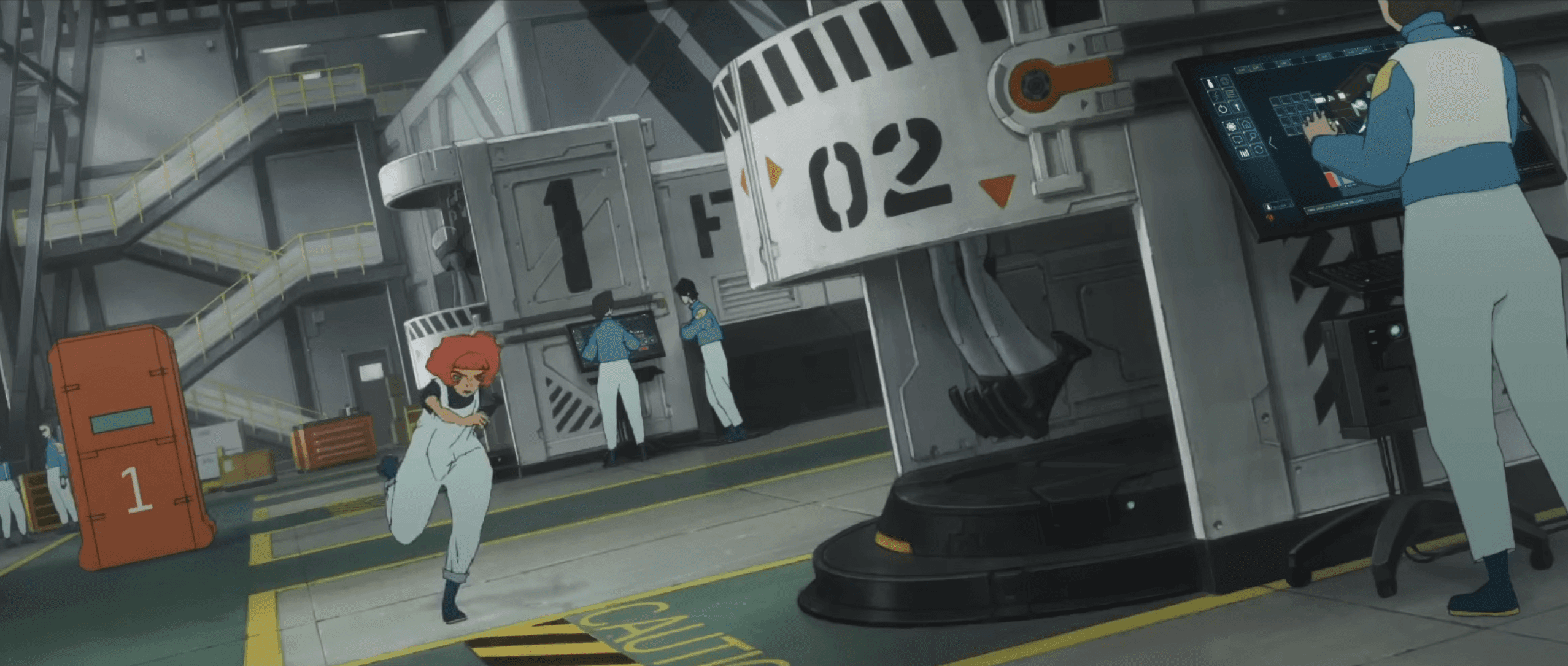
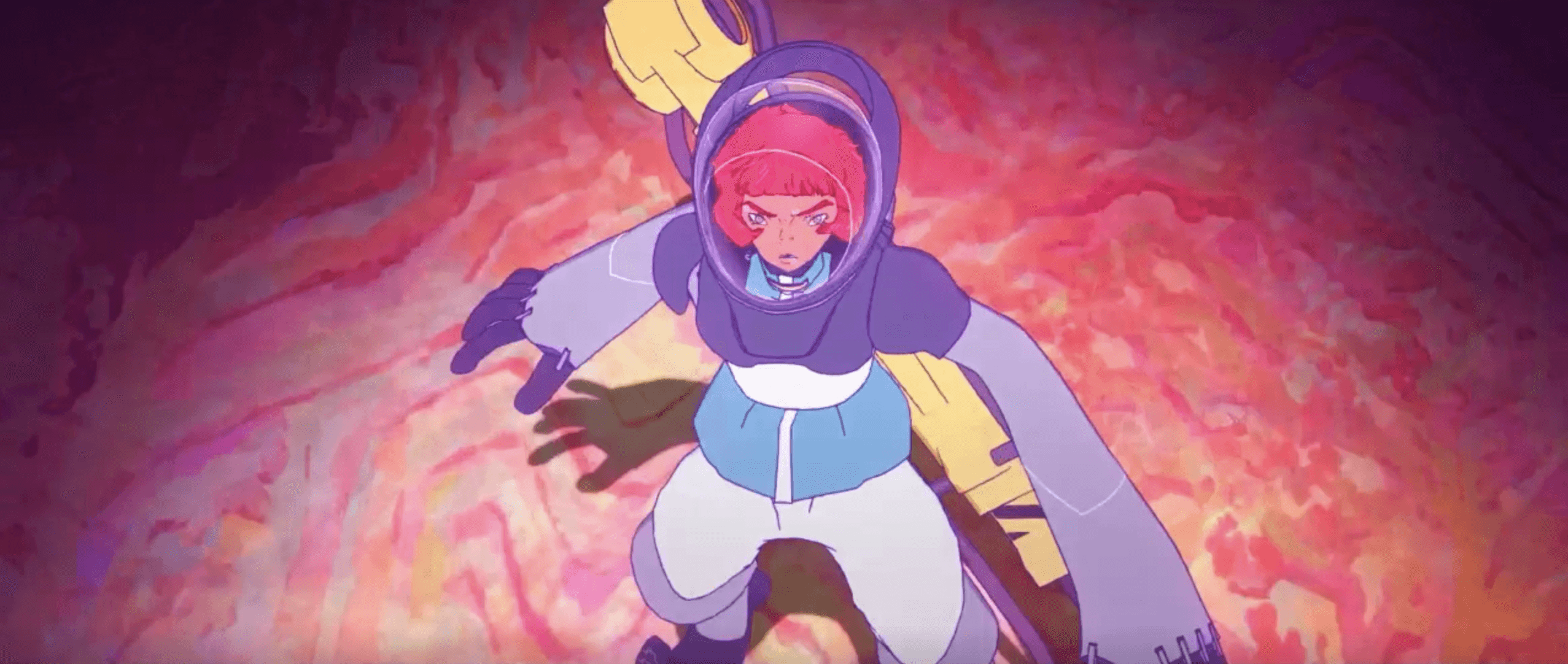
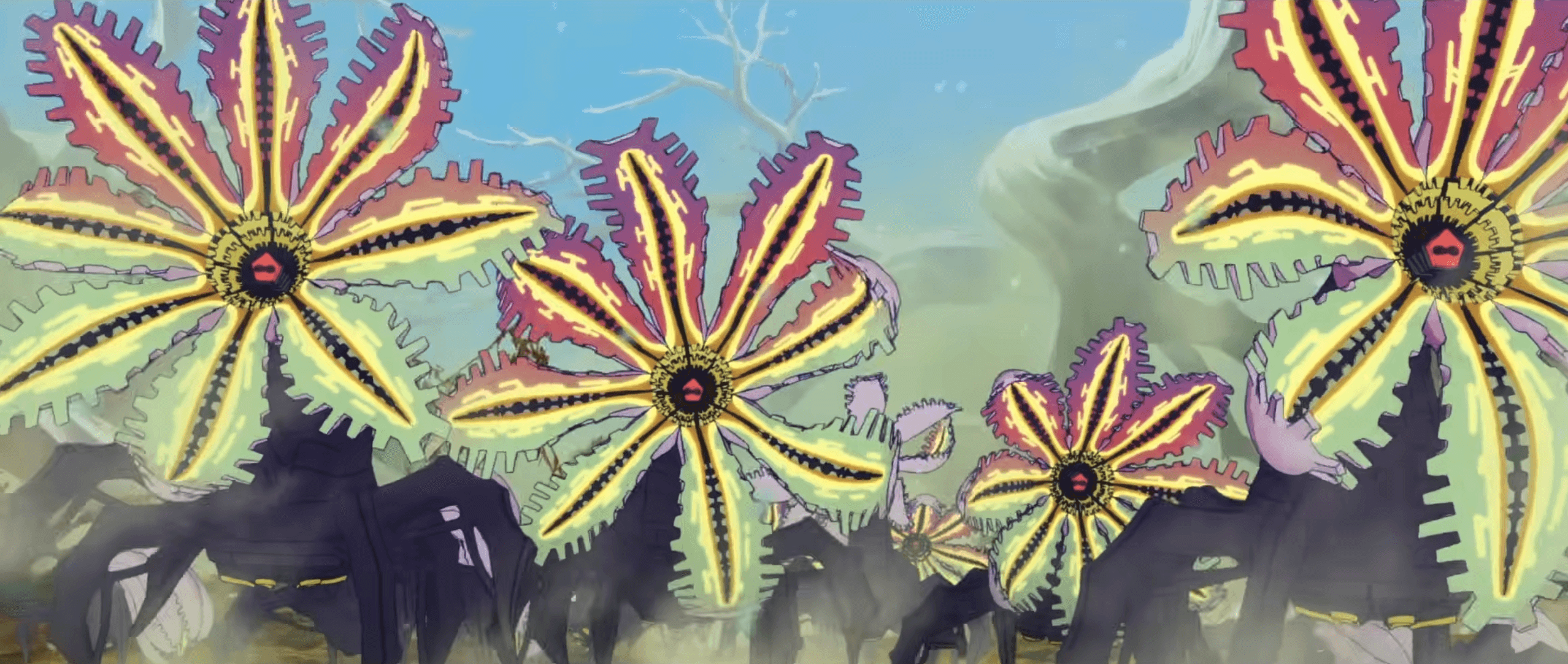
That idiosyncratic visual experience is enough to make this movie worth a watch, but I would have liked to be more engaged with the story, which doesn’t bring the same intensity. To make a comparison with Edge of Tomorrow, it doesn’t have the same psychological impact of what it means to repeat the day, and the conflict with the Mimics is more generic. Rita’s inner struggles are represented just about enough, but her trauma backstory feels random and underdeveloped. The broader context and implications of the characters in the world are also lacking, with few interesting character interactions to bring that depth. Introducing Kaiji helped, but I think the very short runtime of 80 minutes hindered some of the potential to go deeper more broadly.
Japanese anime also has a tendency to go way too far with expositional dialogue, and this film is no exception. That lazy writing really dials up in the last act, where the head scientist infers astonishingly complex insights and plot points from very little, artificially adding jeopardy by forcing in new rules that limit the repeating-day mechanism and redefining the characters' relationship with Darol. The final battle, while looking amazing, is also a bit too easy and unearned. These are not deal breakers, but they certainly demonstrate why this movie is a step down when compared with Edge of Tomorrow’s writing, which, to be honest, already had a touch of generic Hollywood sci-fi to begin with.
This all said, I liked the first act and how it paced through Rita’s acceptance and learning curve. The romance dimension was nice too. I enjoyed myself throughout the movie, and when the animation and best story moments combine wit the beautiful atmospheric soundtrack, it felt like peak anime — making me smile in my seat as I watched it on the big screen. I likely wouldn’t watch it again, but I am glad it exists and will certainly be enjoying some screengrabs of those wide atmospheric shots when the digital copy finds its way online.
That visual experience is enough to make this movie worth a watch, but I would have liked to be more engaged with the story, which doesn’t bring the same intensity. To make a comparison with Edge of Tomorrow, it doesn’t have the same psychological impact of what it means to repeat the day, and the conflict with the Mimics is more generic. Rita’s inner struggles are represented just about enough, but her trauma backstory feels random and underdeveloped. The broader context and implications of the characters in the world are also lacking, with few interesting character interactions to bring that depth. Introducing Kaiji helped, but I think the very short runtime of 80 minutes hindered some of the potential to go deeper more broadly.
Japanese anime also has a tendency to go way too far with expositional dialogue, and this film is no exception. That lazy writing really dials up in the last act, where the head scientist infers astonishingly complex insights and plot points from very little, artificially adding jeopardy by forcing in new rules that limit the repeating-day mechanism and the characters' relationship with Darol. The final battle, while looking amazing, is also a bit too easy and unearned. These are not deal breakers, but they certainly demonstrate why this movie is a step down when compared to Edge of Tomorrow’s writing, which, to be honest, already had a touch of generic Hollywood sci-fi to begin with.
This all said, I liked the first act and how it paced through the journey and Rita’s learning curve. The romance dimension was nice too. I enjoyed myself throughout the movie, and when the animation and best story moments combine with what can be a beautiful atmospheric soundtrack, it felt like peak anime — making me smile in my seat as I watched it on the big screen. I likely wouldn’t watch it again, but I am glad it exists and will certainly be enjoying some screengrabs of those wide atmospheric shots when the digital copy finds its way online.
VERDICT
All You Need Is Kill gets us closer to a world where CGI forward anime offers genuine artistic delight and charm. Studio 4°C’s has proven that the medium can be pushed with deliberate aesthetic ambition and restraint, and, when paired alongside imaginative art direction, will create something highly idiosyncratic, vibrant and satisfying. In that regards it deserves to appear in conversations amongst the classics, even if the lack of narrative tightness and character depth hold back the potential of this solid watch from becoming so much more.
RATING BREAKDOWN
Story
Story
62
Directing:
71
Visuals
90
Acting / Dialogue:
70
Music / Sound
Music / Sound
86
BONUS
concept design
concept design
concept design
animation
FINAL
70
Thanks for reading
Thanks for reading
Thanks for reading